Meetings are held at the Te Awa Lifecare Woolshed, 1866 Cambridge Road, Cambridge, from 10am for 10.30 until 12.00 noon on the second Tuesday of each month.
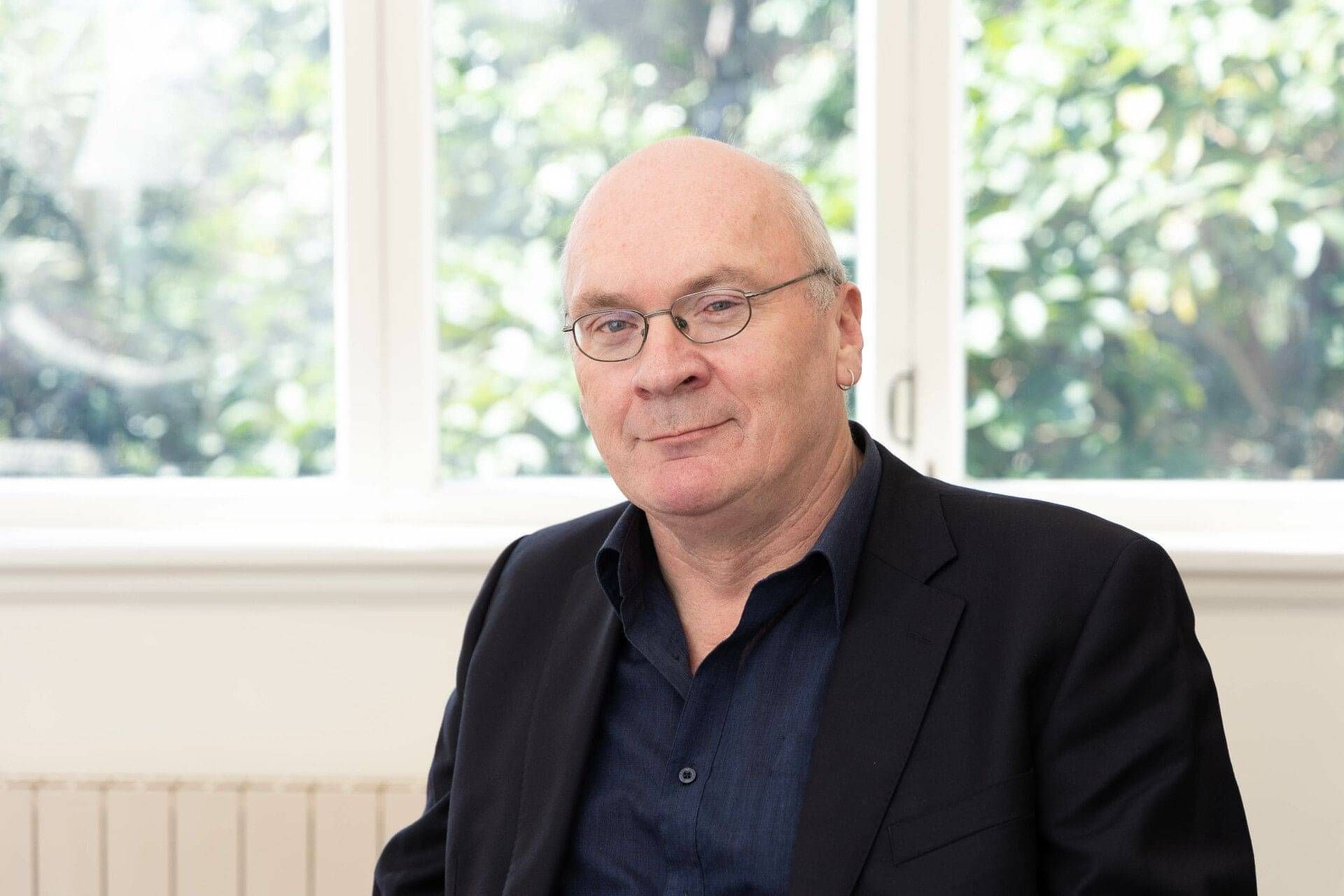
TUESDAY April 14th, 2026 - Charlotte Stevens - The Real Life of a PI (Private Investigator)
Charlotte joined the Metropolitan Police in London at the age of 19 and, after a short while, became a Detective Constable. She spent 20 years in the Police and her last 10 years specialised in serious crime squads, including the Flying Squad and the Regional Crime Squad, investigating crimes such as armed robberies, kidnappings, and drug importation.
A holiday in New Zealand in April 1999 led to Charlotte moving to NZ, initially for a year, but she loved it so much she never returned to work in the UK. Instead, within 3 weeks of arriving, she had a job as an investigator with the Serious Fraud Office.
This background in Law Enforcement led Charlotte to become a Licensed Private Investigator.
TUESDAY May 12th, 2026 - Lisette Reymer - No I don't get danger money
Lisette Reymer is a multi-award-winning journalist, one of New Zealand’s only war correspondents, and recognised as one of the country’s top storytellers.
In recent years, her life has been a blur of breaking news, border crossings, body armour, landmines and bomb shelters. Her reporting has even drawn the attention of the Russian President, who sanctioned her by name.
At 26, she became Newshub’s Europe Correspondent, covering major global events including the Ukraine war, Queen’s death, Israel-Gaza conflict, Trump’s indictment, King’s coronation, earthquakes in Turkey and Syria, the hunger crisis in Ethiopia, and more.
She’s won multiple journalism awards, including for her Ukraine coverage, and was named 2024 Reporter of the Year. Her book, No, I Don’t Get Danger Money, shares her wildest stories with brutal honesty and humour
Tuesday May 26th, 2026 - JOINT PARTNERSHIP HISTORY LECTURE - Christopher Archer & Warren Dawson ( - Recovering a New Zealand ANZAC Legacy – The Story of the New Zealand Mounted Rifles Brigade in Egypt and Palestine (1916–1919)
On the eve of WWI in 1914, New Zealand dispatched two brigades to join the Imperial Army—one of Infantry and one of Mounted Horse. After Gallipoli, the infantry was sent to Europe, but the Mounted Brigade remained in Egypt.
Over the next three years, the troopers of the NZMR rode 400 miles across desert and mountain in a campaign that defeated the Ottoman, German, and Austrian forces in a series of victories unmatched in military history. Yet, their extraordinary story was largely forgotten in the aftermath of the war—until, a hundred years later, their legacy began to be recovered.
Christopher Archer, historian and author of Saviours of Zion, and Warren Dawson, who retraced his grandfather’s route in partnership with Israeli historians, will share their insights into this remarkable history. Together, they have also been closely involved with the project to erect a 5-metre Silver Fern memorial in Gan Sorek, Israel, commemorating the New Zealand troopers who fought in Palestine.
Tuesday June 9th, 2026 - Gaurav Sharma - From margins to mainstream: How Kiwi-Indians helped shape modern New Zealand
Gaurav Sharma is a Christchurch-based journalist and senior reporter with Radio New Zealand who has spent much of his career exploring issues of diversity, migration and identity in Aotearoa. He previously co-founded The Migrant Times and Multicultural Times, publications focused on strengthening ethnic representation in New Zealand media, and brings both historical insight and contemporary perspective to this story.
In this talk, he traces the long and often overlooked history of Indian New Zealanders and reflects on how that story continues to shape our national identity.
Many believe the story of Indians in New Zealand is a recent one, perhaps defined only by modern migration or the local dairy.
In truth, the tale of Indian New Zealanders is woven into the very fabric of our national history. From the first colonial ships in the 1700s and the trenches of Gallipoli, to the Waikato dairy farms and Pukekohe market gardens, the footprint is deep.
Early pioneers weren’t doctors or IT specialists; they were hardy men who undertook the gruelling labour of clearing scrub, digging drains, and flax milling, thus laying the literal foundations of our provinces.
While the 'Indian Dairy' later became a cultural cliché, it was actually a lifeline for families to survive and thrive in a land where other doors were often closed.
Today, the 'Kiwi-Indian' identity is far from a monolith.
Spanning from fourth-generation descendants to new arrivals, the community has grown from just six individuals in 1881 to six percent of our population today.
Now the third-largest ethnicity, Indian New Zealanders are among the nation's most prosperous, earning 20 percent more than the median income.
It is a story of resilience, adaptation and eventual triumph - an evolution from invisible pioneers to a cornerstone of New Zealand’s national identity.
Tuesday July 14th, 2026 - Jared Savage - Underworld: The evolution of organised crime in NZ.
Jared Savage is an award-winning investigative journalist with the New Zealand Herald, where he has reported on crime and justice for more than two decades. Twice named best reporter in the country, he is the author of the bestselling books Gangland, Gangster’s Paradise, and most recently Underworld: The New Era of Gangs in New Zealand (2025).
Drawing on years of frontline reporting, Savage traces how organised crime in New Zealand has evolved from the motorcycle gangs of the 1970s and 80s into a sophisticated, globalised criminal industry. What began as locally rooted groups shaped by social and economic marginalisation has shifted into a highly profitable, transnational enterprise fuelled by methamphetamine, international deportee networks, and direct links to overseas syndicates.
In this talk, he explores the rise of the so-called “new era” gangs, the scale of modern drug imports, the increased firepower and technological sophistication of criminal groups, and the wider social consequences for New Zealand communities. It is a story of how crime adapted faster than many expected, and how the country now finds itself confronting a far more connected and commercially driven underworld.
Tuesday August 11th, 2026 - Dr Rajesh Nair - Head of Department Cardiology - Waikato Hospital - AI and Your Doctor: How Technology is Changing the Way Medicine is Practised
Dr Rajesh Nair is a practising Cardiologist and health service leader who has worked across New Zealand and Australia, including several years leading the regional cardiology service at Waikato Hospital.
He holds an MBA from the Australian Graduate School of Management (UNSW) and is the founder of Briefly, a healthcare technology company using artificial intelligence to help doctors and patients.
In this talk, Raj will explore how AI is beginning to change the way doctors work — from clinical decision-making to how your medical letters are written — and what it means for patients. He'll share insights from the frontline of both medicine and technology, and offer a grounded perspective on what's hype, what's real, and what's coming next.
Tuesday August 25th, 2026 - - JOINT PARTNERSHIP HISTORY LECTURE -Dr James Goodrich - Odontology and a Marine: The Battle of Tarawa
Dr James (Jimbo) Goodrich is an active forensic odontologist in Cambridge, with more than 25 years experience in the field.
He attended the Christchurch Earthquake, Mosque Shootings, and Whakaari White Island Volcano disaster victim identification efforts, as well as more routine individual identification work for the police.
He has presented internationally on his work with Drs Corinne D'Anjou and David Senn with identification of marines from the Battle of Tarawa in 1941, among other things.
Jim is a Fellow of several organisations, including the American Academy of Forensic Sciences, and is a past president of the New Zealand Society of Forensic Odontology.
Jim is one of the few members of the New Zealand Society of Forensic Odontology to have been fully credentialed in Bitemarks, and his current interests are in the field of the ethical considerations around using dental age estimation to threshold adulthood.
Tuesday September 8th, 2026 - Melissa Clarke-Reynolds - Futurist
Melissa Clark-Reynolds is a prominent New Zealand futurist, strategist, and entrepreneur with over 25 years of experience in the technology and business sectors. A trailblazer from a young age, she remains the youngest woman to have attended university in New Zealand, having enrolled at just 15.In 2015,
she was appointed an Officer of the New Zealand Order of Merit (ONZM) for her significant contributions to the technology industry. Her career has spanned the creation of several successful tech companies—including the award-winning virtual world MiniMonos—and she now serves as a professional director on the boards of Wētā Workshop, Alpine Energy, and Atkins Ranch.As a foresight practitioner,
Melissa specializes in identifying global "signals" to help organizations navigate disruptive change. Her expertise covers the future of food and agriculture, the digital economy, and the ethical implications of Artificial Intelligence.
Beyond the boardroom, she is a certified beekeeper and an avid open-water swimmer.
At our September meeting, Melissa will explore the emerging trends and technologies that are reshaping our global and local landscapes, offering a thought-provoking look at what the coming decades may hold for New Zealanders.
Tuesday October 13th, 2026 - Dr Vincent O'Malley - Defining Conflict - The New Zealand Wars
Dr Vincent O’Malley FRHistS FRSNZ is a Wellington writer and historian who has authored many bestselling and acclaimed works on New Zealand history, including The Great War for New Zealand: Waikato 1800-2000 (2016) and The New Zealand Wars/Ngā Pakanga o Aotearoa (2019).
In 2022 his book Voices from the New Zealand Wars/He Reo nō ngā Pakanga o Aotearoa (BWB) won the general non-fiction prize at the Ockham New Zealand Book Awards.
In the same year he received the Prime Minister’s Award for Literary Achievement in Non-Fiction. In 2023 he received the Humanities Aronui Medal for research or innovative work of outstanding merit in the humanities.
He was the J.D. Stout Research Fellow at Victoria University of Wellington in 2014 and was awarded the Mary Boyd prize from the New Zealand Historical Association for the best article on any aspect of New Zealand history published over the previous two years in 2017.
In 2023 he was a semi-finalist for Kiwibank New Zealander of the Year. In 2025 he was named as a recipient of Victoria University of Wellington’s Distinguished Alumni Award.
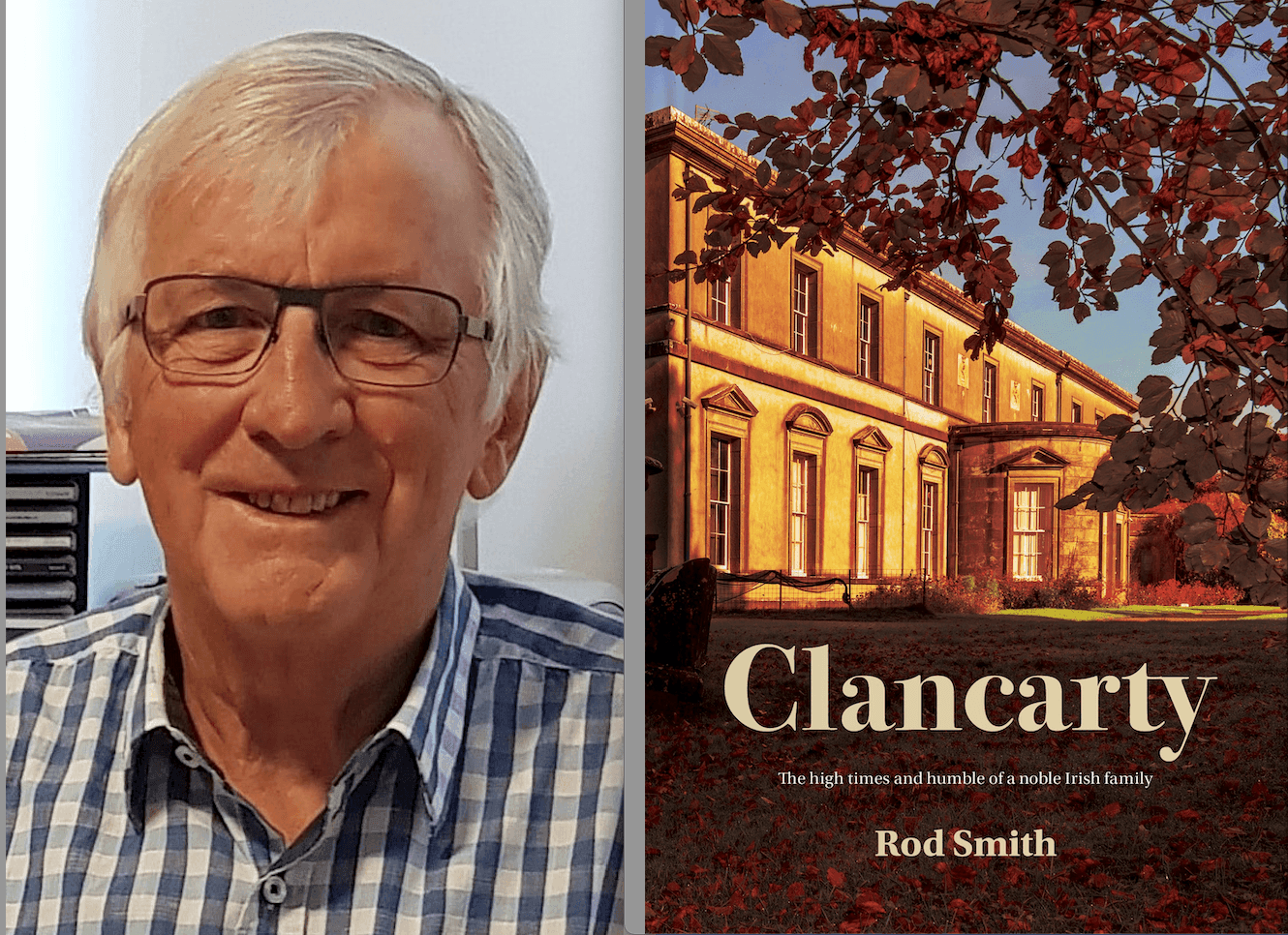
Tuesday October 27th, 2026 - - JOINT PARTNERSHIP HISTORY LECTURE -Rod Smith - From Galway to the Waikato Land War - A peerage family's connections
Rod Smith, family history researcher and writer, presents “Galway to the Waikato Land Wars - A Peerage Family’s Connections”.
Rod is a retired public servant, and former newspaper journalist and probation officer. His career included time crewing a cargo freighter, work in an English youth conference centre, and service in the Justice Department, Parliament, the Ministry of Defence, the Forest Service, and the Accident Compensation Corporation.
An avid family historian for over 35 years he has researched in depth his wife’s connections to landed Irish families, publishing his findings in two books – Guinness Down Under: the famous brew and the family come to Australia and New Zealand (2017) and Clancarty: the high times and humble of a noble Irish Family (2024). While researching Clancarty he discovered reports of the family’s involvement in the Waikato Land War of 1863-64 and a revealing speech given by the 3rd Earl of Clancarty in the House of Lords in 1864 on the subject of New Zealand race relations. Rod’s presentation will explore the events of 1863-64 and the several connections between the Earls of Clancarty and New Zealand.
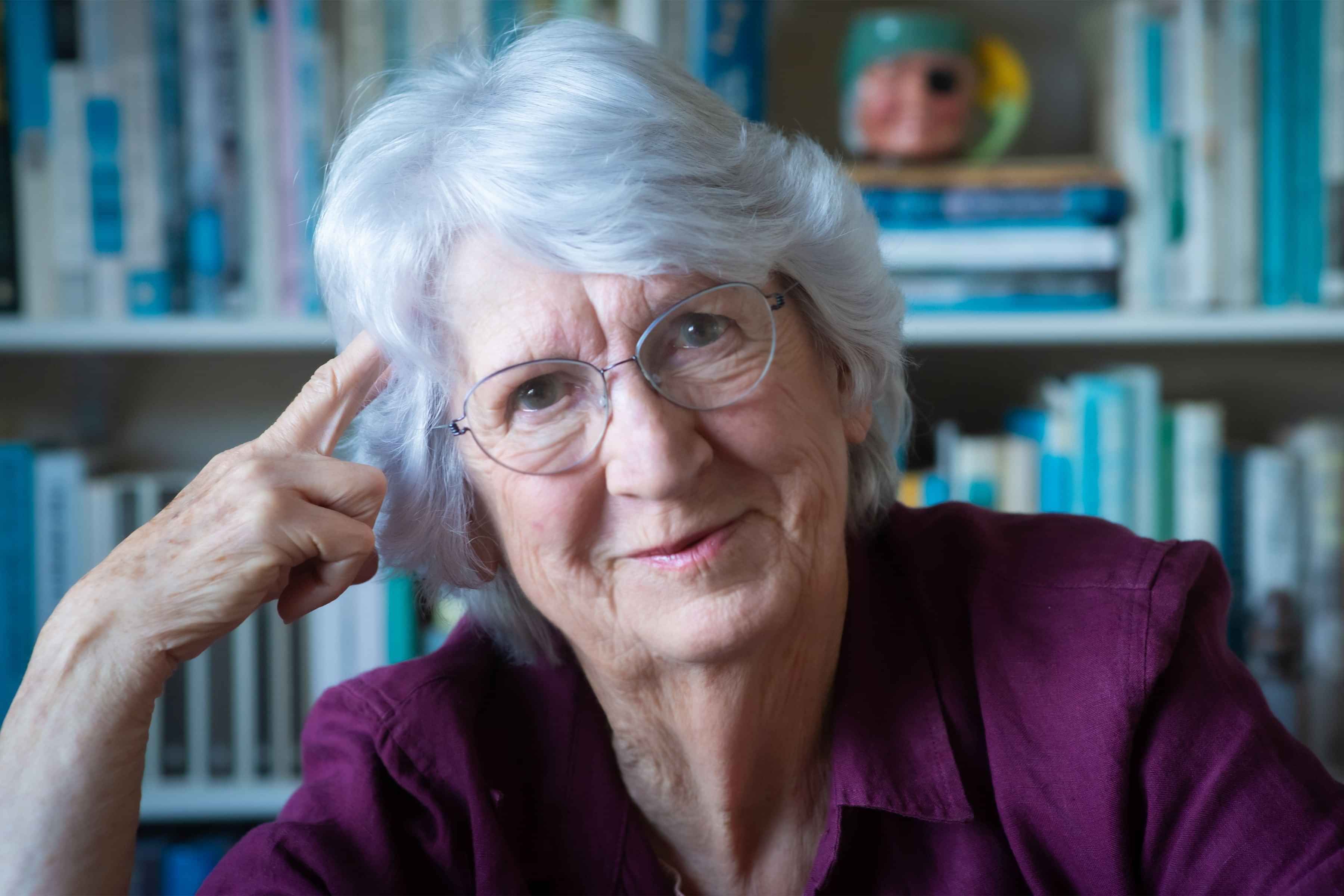
Tuesday November 10th, 2026 - Dame Fiona Kidman - Telling Stories
About me: Fiona Kidman is a novelist, short story writer, poet and memoirist. Her original occupation was as a librarian. In the early 1960s she began to write journalism , radio drama and, later, television drama, Her first novel ‘A Breed of Women’, published in 1979 caused controversy but she continued to write in the face of some opposition. Her 2018 novel This Mortal Boy won the Jann Medlicott Ockham New Zealand Book Award for Fiction. Her work is translated into several languages. She has been awarded a damehood for services to literature and is a Chevalier des Artes et Lettres by the French government, and has also been awarded the French Legion of Honour. Currently, she is a Patron of the Randell Cottage Writers Trust, also The Long Hall, The New Zealand Poetry Society, and of the Refugee and Migrants Trust.
My most recent book is The Midnight Plane: Selected and New Poems (pub. Otago University Press 2025)
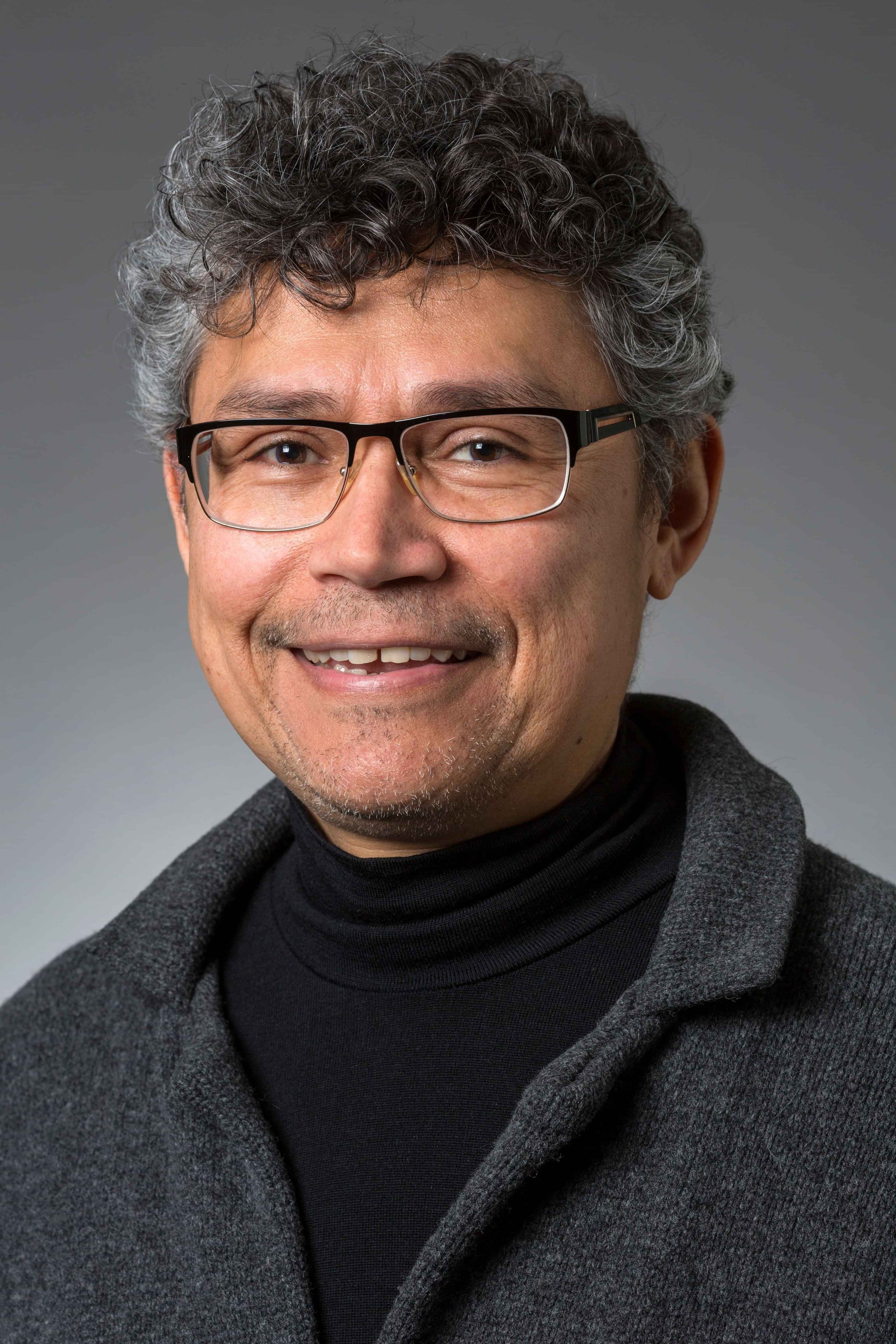
Tuesday December 8th, 2026 - Vladimir Pacheco - My journey
Vladimir spoke to U3A Cambridge in 2025 and by popular demand, he is returning to share more information about his journey and his life (a topic that he doesn't really talk about in public, but does in 1:1 conversations).
Vladimir Pacheco is currently Associate Professor at the School of Culture and Society, Aarhus University, Denmark. His current research interests include socio-economic impacts and governance of non-renewable resource extraction in the Arctic, Latin America and the South Pacific. Previous to this position Vladimir held senior roles in Australia with the Foundation for Development Cooperation, the Centre for Social Responsibility in Mining and consulting firm WorleyParsons.
His latest publication is a chapter in a book titled “Ideology, Post-ideology and Anti-Ideology in Latin America” published by Bloomsbury Academic.