
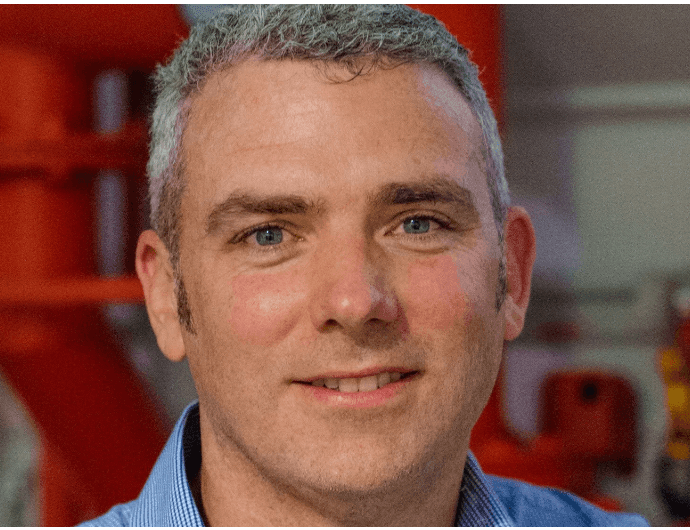
TUESDAY February 10th, 2026 - Dr James McKelvie - What you don't know about being an eye surgeon and developments in the area.
Dr McKelvie will talk about eye surgery, advancements in the clinical side of the specialty as well as healthcare technology.
Medical and ophthalmic training
FRANZCO - Royal Australian and New Zealand College of Ophthalmologists
Corneal and anterior segment fellowships
The University of Auckland, NZ (mentor Prof. Charles McGhee)
Auckland District Health Board, NZ (mentor Prof. Charles McGhee)
Queen Victoria Hospital, UK (supervisors Mr Samer Hamada, Mr Damian Lake)
MBChB, PhD, BSc (first class hons) - The University of Auckland
Current clinical, research and other positions
Consultant ophthalmologist and corneal surgeon at Te Whatu Ora, Waikato Hospital
Ophthalmologist, corneal and cataract surgeon at Hamilton Eye Clinic
Associate Professor of Ophthalmology at The University of Auckland
Clinical director for the New Zealand National Eye Bank
Waikato Institute of Surgical Education & Research (WISER) founding member
Section Editor (Anterior segment) for Clinical and Experimental Ophthalmology
Medical advisory board member EYEQUE corp, Silicon Valley, Ca, USA
CEO, CatTrax Limited
Review of the lecture (in case you missed it)
Dr James McElvie: Eye Surgery - Transforming Lives Through Vision
Dr James McElvie, an eye surgeon and Associate Professor of Ophthalmology at the University of Auckland, recently spoke to U3A Cambridge about the advances in eye surgery and how they are changing lives.
He began by explaining the difference between optometrists and ophthalmologists. Optometrists complete a four-year university degree and focus on vision testing, glasses, contact lenses and diagnosing common eye conditions. They work in community practices such as Specsavers or OPSM, and there are about 1,500 in New Zealand. Their services are generally not covered by medical insurance.
Ophthalmologists are medical doctors and surgeons. Their training usually involves six years of medical school, several years as junior doctors, four to five years of specialist training and often further subspecialty training, adding up to 15 to 20 years. New Zealand has about 150 ophthalmologists, and their services are typically covered by insurance.
Dr McElvie’s own path to medicine was unconventional. He first trained as a chef and worked at the Savoy Hotel in London and the Regent Hotel in Auckland. He cooked for the Queen during a New Zealand visit and for bands including U2 and the Rolling Stones. In his mid-20s he returned to university, completed degrees in molecular genetics and then studied medicine.
Eye surgery has a long history, stretching back thousands of years. Early techniques involved pushing a cloudy lens out of the line of sight. Modern developments gathered pace from the 18th century, with lens removal through incision, the invention of the ophthalmoscope to view the retina and the use of local anaesthetic for eye surgery.
A major breakthrough came during World War II when Sir Harold Ridley observed that plastic fragments from aircraft windscreens did not inflame injured pilots’ eyes. This led to the development of the first artificial intraocular lens, made from similar acrylic material, and paved the way for modern cataract surgery.
Today, artificial intelligence is transforming ophthalmology again. Dr McElvie’s clinic uses AI for transcription, automatically generating consultation notes and letters to GPs while patients are still in the building. AI systems can also call patients, have natural conversations and document them in medical records.
He has developed computer vision technology that attaches to surgical microscopes and analyses operations in real time. It recognises instruments, tracks each step of surgery and creates a digital record of a surgeon’s technique to support training and improve outcomes.
Cataract surgery is now the most commonly performed operation in the world, with 30 to 40 million procedures each year and about 40,000 in New Zealand. A cataract is simply the natural lens of the eye becoming cloudy, most often as part of ageing.
Modern cataract surgery can do more than remove a cloudy lens. Advanced lenses can provide clear vision at different distances, and other treatments, such as tiny titanium stents for glaucoma, can be performed at the same time. The operation usually takes 10 to 15 minutes under local anaesthetic using only eye drops, and patients can see soon afterwards.
Research shows cataract surgery delivers substantial improvements in quality of life. However, public waiting times can stretch to several years, increasing the risk of falls, depression and loss of independence.
Dr McElvie also discussed corneal transplants. Hundreds of New Zealanders are waiting, with donor tissue the main limitation. Keratoconus, often diagnosed in teenagers, is the most common reason. Most people can donate their corneas regardless of age, and even very elderly donors can help restore sight.
The field continues to advance rapidly. For those experiencing vision changes, early assessment can open the door to treatments that may be more effective than many people expect.